
Subscribe to:
Post Comments (Atom)
About Me
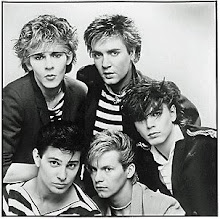
- Mr. Dalton
- Mr. Dalton is an instructor in the Upper School at Beaufort Academy. He is inept at car repair and home or lawn maintanance of any sort, but is an accomplished philosopher. In his spare time he enjoys throwing darts while listening to old Duran Duran cassettes.
1. The shepherd invites his love to live with him in a simple life of owning sheep and having an easy, relaxing life. He will give her dresses and more made of wool from the sheep and many beautiful leaves while also giving her beds made of roses.
ReplyDelete2. Marlowe simplifies the Shepherd's life to mak eit seem all he has to do is relax and feed his sheep every once in a while while making sure the big bad wolf doesn't snatch one away or that they run off on him. Instead most shepherds woul dhave a hard life of feeding sheep, keeping after them, sheering them for wool, selling the wool, housing, and being able to keep himself alive all the while.
3. She points out how the sheep go inside, the flowers die, the world becomes cold and the leaves turn brown when fall and winter comes. She would only agree to live with the shepherd if age never came, if they were young forever, and that the calender stopped and ageing ceased.
4. The tone of the poem is critical, due to her criticisem of the man's outlook on his life and how it is worse than he pictures it to be.
5. It is used to make people happy and improve television ratings therefor increasing the profits of the movie and video industry.
1.) The ywill have a nice, easy life in clothes of wool, gold, leaves, and flowers. They will live happily in nature.
ReplyDelete2.) I would imagine a shephard's life ot be hard, dirty, busy, and poor, but this shephard speaks idealistically of fine clothes and an easy, fun life.
3.) The nymph says that time is a flaw and that time will fade the flowers and goodness. She said if everything were forever young, she'd agree.
4.)The tone is somewhat condescending. She knows that the shephard wants her, but she obviously doesn't like him enough to deal with a little old flowers.
5.) Today, shows and movies and books defy reality and often logic to make things more idilic. People love this, and thus romantic escape motif LIVES ON.
1.the shepard invites his love to live with him where they will live a calm happy life among the posies. they will wear clothes of the finest wool and nice slippers. and they will spend their time gazing upon the shepard feeding thier flocks by shallow rivers.
ReplyDelete2. the fact that the shepard dances and sings and feeds his lambs in the calmest most beutiful setting as possible. while in the harsh reality it would be muddy cold and in the middle of an open field.
3.she feels that all she will get is complaints on how it is too hard to manag sheep and tend to her as well, she will marry him if youth was forever and joys had no date.
4. the tone is understanding/straightforeward, because she knows that he cant handle or have enough time for her.
5.today it is used as a secret love life and /or way to escape the harsh realities of life. most movies contain this romantic escape motif today, because it is entertaining and curious to watch or read about.
1. The shepherd invites his love to live with him in an innocent bliss. They will admire earth, enjoying its simple pleasures and wear the finest wools for gowns, amber studs for clasps, and ivy buds for belts.
ReplyDelete2. "The shepherd swains shall dance and sing/ For thy delight each morning." Shepherd sons would most likely be working hard all day, rather than dancing and playing. Similar to the poem read earlier today, if children got distracted from their work it could cost them their life.
3. The nymph points out that all the wonderful treasures the shepherd is offering her are perishable. They do not last a season. However, she would agree to live with him if love, joy, nor age never faltered. "But could youth last and love still breed,Had joys no date, nor age no need,Then these delights my mind might move To live with thee and be thy love."
4. The nymph's tone is morbid yet hopeful. She nows that things physical things perish easily, but she has hope that the feelings inside the shepherd may stand the test of time.
5. The romantic motif is seen in chic flicks, where love ends up triumphing over all other emotions and the two lovers live "happily ever after", They can be read in romance novels, or advertised in commercials that talk about beautiful honeymoon spots. People like to know that things, that may seem impossible, can come true, and that something as easy as love can change your life for the better.
1.) The Shepherd is inviting his love to join him in a life at one with the nature. He tells of views, birds, beds of roses, and caps of flowers. Their dress would be of the finest materials such as gold, buds, coral, anber, flowers, leaves, and wool. They would spend their days watching the shepherds feed and listen to the birds sing.
ReplyDelete2.) The sights and sounds described by the shepherd are idealistic and give a sense of relaxation. He tells of fine dress and rejoicement when in reality the work of a shepherd is not favorable. I see the lifestyle as one full of laboring work in the fields caring for the sheep.
3.) The Nymph expresses the concern of time. As time progresses, the beauty the shepherd has promised will eventually fade and diminish. She says that if youth last forever, and joy had not date, that she would live with the shepherd and be his love.
4.) The tone of the reply is cynical as it is doubting the concept of time in their relationship. She is faltering in the belief that their relationship can withstand the progression of time.
5.) The romantic escape motif is used highly in modern movies and novels. The belief that life can ultimately result in a happy ending envelopes the audience and continues to produce high ratings. The technique is used in various media outlets.
1. He speak of “valleys, groves, hills, and fields, woods, or steepy mountain yields… [sitting] upon rocks… and shallow rivers.” He says he’ll make her a bed of roses, a cap of flowers, a dress, a gold buckle, and a belt of straw and ivy buds.” They’ll sit on rocks, watch shepherds feed their sheep, and listen to birds sing madrigals.
ReplyDelete2. He talks much of other shepherds, sheep, and fields. Shepherds probably had to stay out as late as possible being on the lookout for wolves or thieves. They probably had to fight off wolves, too. Birthing sheep would also have been a part of the job and possibly sheering or working with sheerers. Wherever the sheep were kept maybe had to be kept clean because heep wool had to be kept clean and the sheep would probably get sick if their environments weren’t kept clean enough.
3. Basically, Nymph says all the material things that he can make her will either tarnish, rot, or die. I think she’s saying if youth could last forever and love could grow, then she would come live with him.
4. The Nymph seems like someone no one will be able to win the love of. Her tone is kind of mean; I guess she’s being as honest and blunt as she can be.
5. Through songs, escape is used to see if someone is willing to leave their life for a second just to go somewhere else and relax. In movies and advertising, escape is used as a means of relaxation, just a way of taking one away from the troubles of their daily, normal life for a while.
1. The shephard invites his love to join him in a leisurely life in the country, enjoying the pleasures of nature. They will wear clothes of the finest wool, gold-buckled slippers, and belts of straw and ivy buds with coral clasps and amber studs.
ReplyDelete2. The shephard describes a life of leisure, at one with nature. In reality, a shephard would constantly be fighting nature--wild animals and the elements--as well as possibly poverty and famine.
3. The nymph is afraid of time driving away their happiness. She would live with the shephard if he could stop time and preserve their happiness forever.
4. The nymph is mournful. She seems to want to be with the shephard, but she knows that their happiness will eventually be stolen by time.
5. This convention is often used in advertisements--a couple on a beach sipping margaritas, for instance. A popular horror movie plot is the romantic escape gone wrong. Romance novels are often set in idyllic, isolated places.
1. http://www.youtube.com/watch?v=2hyoszso38E
ReplyDelete2. http://www.youtube.com/watch?v=84b949k8HCw
3. http://www.youtube.com/watch?v=D5A3yF0bjLo
4. http://www.youtube.com/watch?v=yGWJdAQCK20
5. http://www.youtube.com/watch?v=5wRkoGKQ8qQ